
Turn Class Material Into a Study Plan or a Course for Your Students
Study Guide builds a dated study plan from your class material, and it lets tutors and teachers define a course, assign it, and follow each student’s progress.
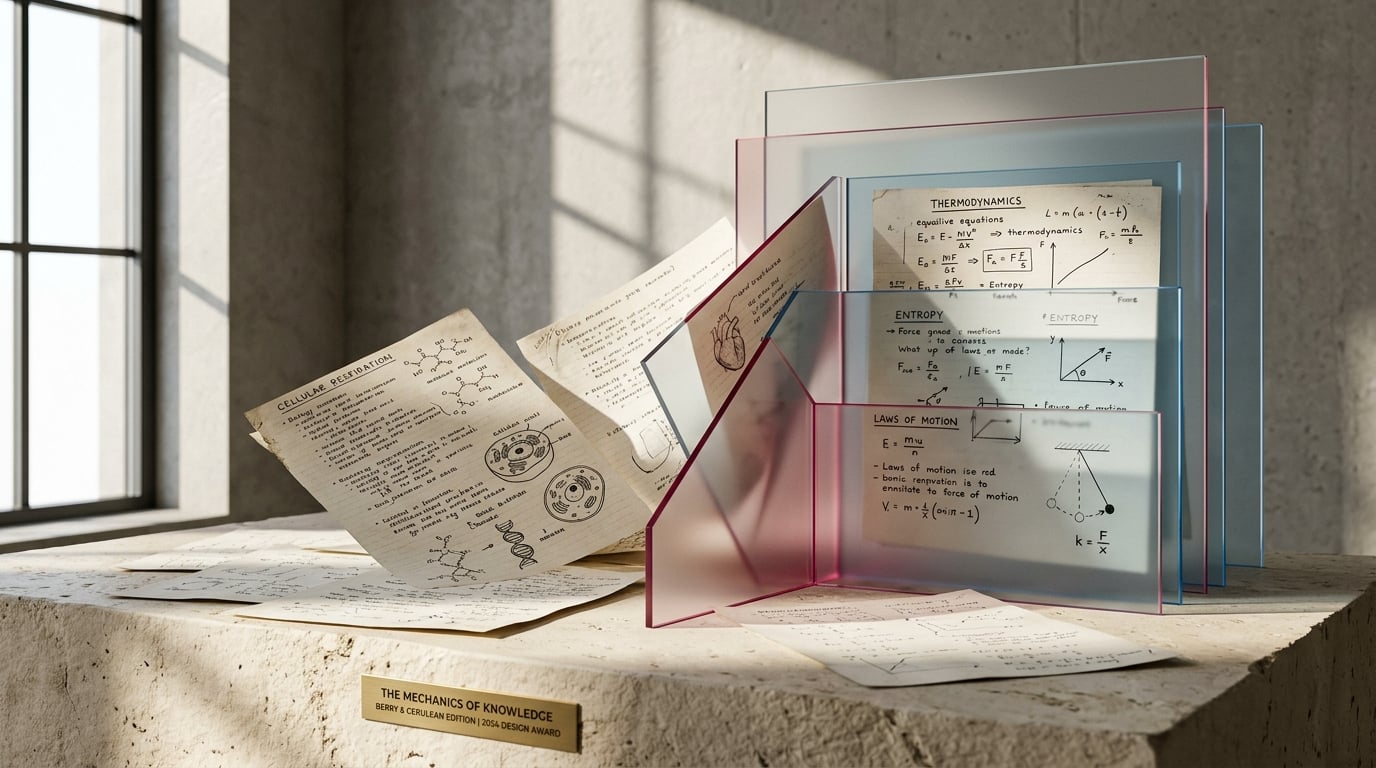
Who Study Guide is for
Students
Study Guide is for students who attend classes or hold books and notes and want them organized into a schedule they can follow alone.
Tutors and teachers
This page is for independent tutors, coaching class teachers and school teachers who prepare their own material and want to see each student’s progress without collecting it by hand.
For students: turn your own class material into a study plan
How it works
Set up your class
Name the class, set the number of weeks, and choose a grade level from Elementary School to Professional Education. Then enter the first day of class and the dates of your tests.
Add your material
Drop in a PDF, a Word file, a slide deck, or a text file, or add an audio or video recording of the lecture itself. Tell Study Guide what the teacher stressed, and list what did not make sense so the plan can slow down at that point in the study schedule. Each file is processed automatically after it uploads.
Create your study plan
Pick the class and the week, and a lesson, an interactive podcast and a schedule of study sessions are built for you. Every plan stays available, so you can return to a lesson before the next test.
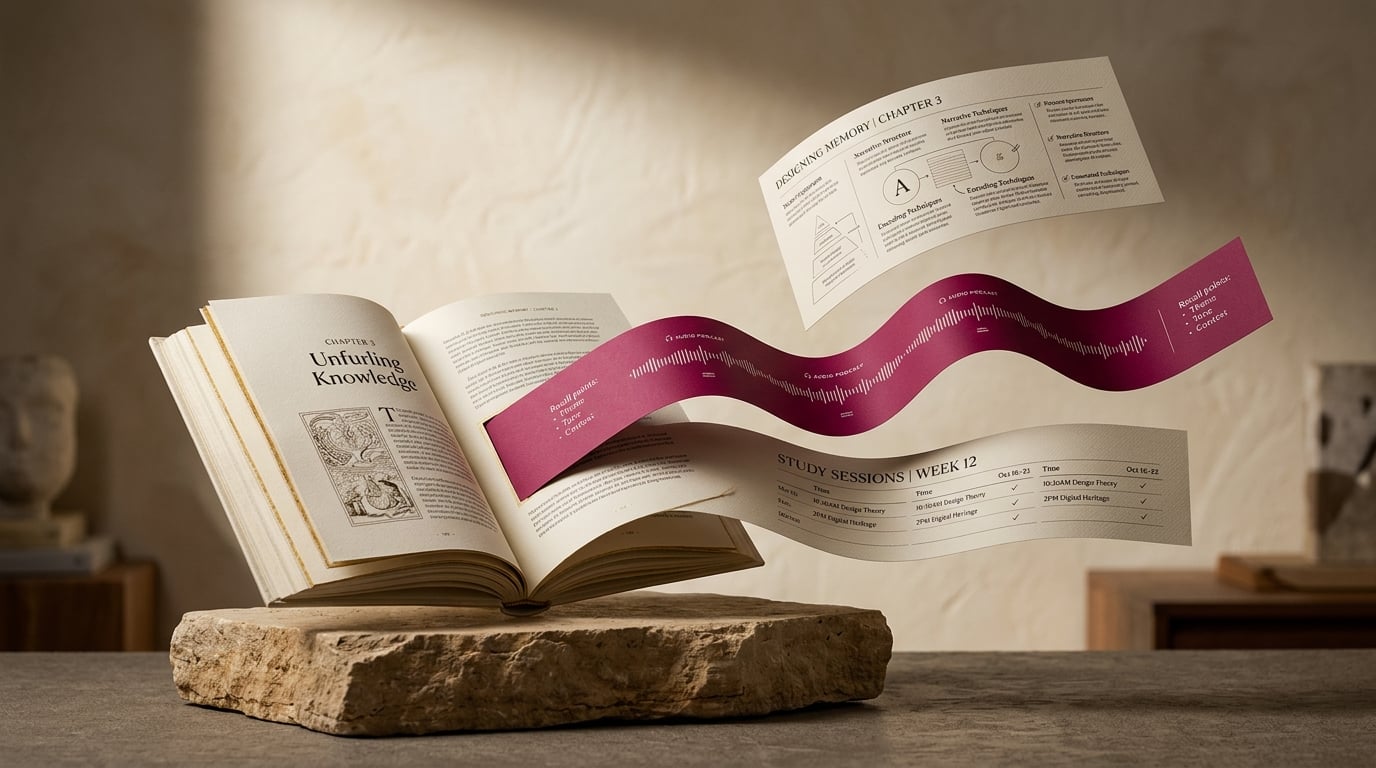
What one chapter becomes
A lesson is written from your own file first, with key terms defined where they appear. The interactive podcast reads that lesson aloud, asks a question and gives the answer, so you can check recall on a commute or a short walk.
Interactive Chapter Podcast
Listen to a lesson overview designed for recall and audio reinforcement.
Sessions that deepen
Study sessions are arranged at three levels: normal, deep thinking, and deeper thinking. Each level has a follow-up session for missed topics, and the schedule can be viewed as a list, a calendar, or a combined calendar across your classes.
Your teacher's emphasis, on the record
The plan is shaped by two optional questions, whether the teacher stressed anything and whether anything failed to make sense, and Study Guide slows down on the second, so the plan reflects your lecture and your gaps instead of a standard outline for the whole class.
Built from what you bring
Study Guide works from the material you add, so a single product can serve a school subject, an entrance exam, or a professional qualification, depending on the files you add. The plan is anchored to your syllabus and your sources because they are the only inputs that the product uses.
For tutors and teachers: define a course, assign it, and follow every student
How it works
Define your course
Name the course, set its length and grade level, and add the notes, slides, files, or lecture recordings you already teach from.
Assign it to your students
Choose the students who take the course, and it is delivered to each of them, so the whole group begins from one shared course.
Follow each student's progress
Open each student’s progress whenever you need it and see how every student is doing without waiting for the next test.
One course, many paces
Each student works through the course at a suitable pace, so a quick learner is not held back and a slower one is not hurried past a topic that needs time. Questions adapt to a student’s answers, which keeps practice close to what that student still has to learn.
Progress you can read
Progress is shown student by student, and the next session can begin from the topic that needs attention instead of a general review.
Your material, your course
The course is built from the files and recordings you teach from, so it follows your syllabus and carries your emphasis, and nothing has to be rewritten before students can use it.
For one tutor or a whole center
An independent tutor with a handful of students and a coaching class with several batches can use the same tools, since a course is defined once and assigned when needed.
Ready to run your courses on Study Guide?
We will help you set up your first course and onboard your students.
Frequently asked questions
Start your first two weeks free
Create your account, add one chapter, and let Study Guide build your first plan.